Global layout
 +86 769 2366 8529




Time:2026-04-14 Views:11

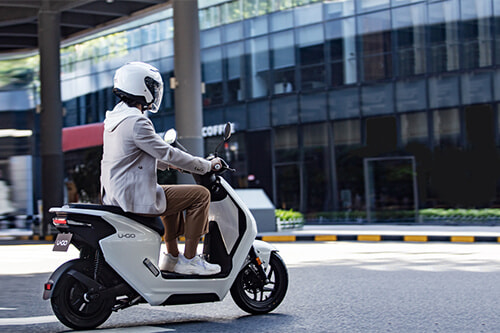
The energy density of Citycoco batteries is a key technical parameter that directly determines the driving range and portability of the vehicle, and it varies slightly depending on the battery type and configuration. Most Citycoco batteries adopt lithium-ion technology, which is divided into two main types: lithium iron phosphate (LiFePO4) and nickel-manganese-cobalt (NMC) lithium batteries, both of which have excellent energy density performance compared with traditional lead-acid batteries. Generally speaking, the energy density of LiFePO4 batteries used in Citycoco ranges from 120 Wh/kg to 150 Wh/kg, while NMC lithium batteries have a higher energy density, usually between 180 Wh/kg and 220 Wh/kg. This difference in energy density is mainly due to the different material compositions and structural designs of the two types of batteries.
The high energy density of Citycoco lithium batteries brings obvious advantages to the vehicle’s performance. For example, a 60V 30Ah LiFePO4 battery with an energy density of 130 Wh/kg has a total energy of 1920 Wh and a weight of about 14.8 kg, which is only 1/3 of the weight of a lead-acid battery with the same capacity. This lightweight feature not only makes the battery easier to install and remove but also reduces the overall weight of the vehicle, improving energy efficiency and extending the driving range. For NMC lithium batteries with higher energy density, a 60V 50Ah battery can achieve a total energy of 3000 Wh with a relatively small volume and weight, enabling the Citycoco to have a driving range of more than 80 kilometers on a single charge, which fully meets the needs of daily urban commuting and short-distance travel.
In addition to the type of battery cells, the energy density of Citycoco batteries is also affected by factors such as battery management system (BMS) design, cell arrangement, and packaging technology. The optimized BMS can effectively improve the energy utilization rate of the battery, reduce energy loss during charging and discharging, and indirectly enhance the actual energy density performance. At the same time, the compact cell arrangement and lightweight packaging materials further reduce the redundant weight of the battery pack, making the energy density more prominent. With the continuous advancement of battery technology, the energy density of Citycoco batteries is also constantly improving, providing stronger support for the vehicle’s long-range performance and user experience.
Be the first to receive our latest news, how-to user guides,
and exclusive deals! Subscribe now.

 Headquarter Address:10F, Building 25, N0. 179 Fengguan, Dongshen Road, Dongguan, Guangdong
 Factory Address:Building 3, Area D, Shengyang Science and Technology Industrial Park, East District of Suichuan County Industrial Park, Ji'an, Jiangxi
 Headquarter Telephone No.:+86 769 2366 8529
Factory Telephone No.:+86 796 6111618
 Contact Person:Kevin Chen
 Email Address:chen@xpower-world.com