Global layout
 +86 769 2366 8529




Time:2026-05-06 Views:132

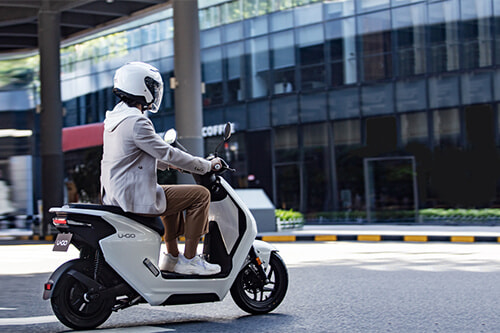
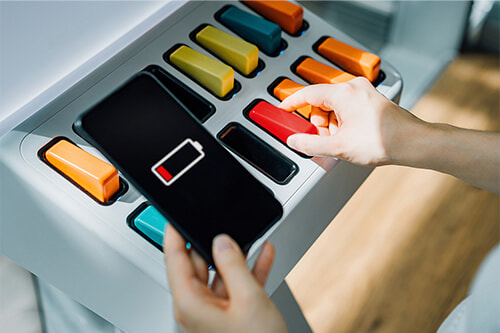
Proper maintenance of an e-motorcycle battery is crucial to extending its lifespan, ensuring consistent performance, and avoiding unexpected breakdowns—especially since the battery is the heart of the vehicle’s power system. Most e-motorcycle batteries are either lithium-ion (Li-ion) or lead-acid, and while their maintenance needs differ slightly, there are universal best practices that apply to both. First and foremost, regular charging habits are foundational: avoid overcharging or deep discharging the battery, as both can cause irreversible damage to the cells. For lead-acid batteries, overcharging leads to electrolyte loss and plate sulfation, while Li-ion batteries degrade faster when kept at 100% charge for extended periods (such as overnight) or drained below 20% capacity. It’s recommended to charge the battery once it reaches 30-40% remaining charge and unplug it once it hits 80-90% for daily use, reserving a full charge only when planning longer rides.
Another key aspect of e-motorcycle battery maintenance is proper storage, especially during periods of inactivity (e.g., winter months or when the bike isn’t used for more than a week). For lead-acid batteries, check the electrolyte level monthly (if it’s a non-sealed model) and top it up with distilled water—never tap water, which contains minerals that can corrode the plates. Store lead-acid batteries in a cool, dry place and use a trickle charger (also called a float charger) to maintain a steady, low-level charge, preventing sulfation. For Li-ion batteries, store them at a 50-60% charge in a cool environment (ideally between 10°C and 25°C) to slow down chemical degradation. Additionally, keep the battery terminals clean and free of corrosion: use a mixture of baking soda and water to wipe away any buildup, then dry the terminals thoroughly to prevent electrical resistance, which can reduce charging efficiency and power output. Regularly inspect the battery case for cracks, leaks, or bulges—any of these signs indicate a faulty battery that needs immediate replacement to avoid safety hazards.
Be the first to receive our latest news, how-to user guides,
and exclusive deals! Subscribe now.

 Headquarter Address:10F, Building 25, N0. 179 Fengguan, Dongshen Road, Dongguan, Guangdong
 Factory Address:Building 3, Area D, Shengyang Science and Technology Industrial Park, East District of Suichuan County Industrial Park, Ji'an, Jiangxi
 Headquarter Telephone No.:+86 769 2366 8529
Factory Telephone No.:+86 796 6111618
 Contact Person:Kevin Chen
 Email Address:chen@xpower-world.com