Global layout
 +86 769 2366 8529




Time:2026-03-26 Views:66

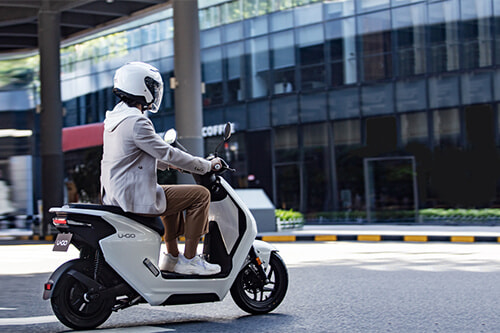
The installation location of an e-motorcycle battery is a critical design decision that directly impacts the vehicle’s balance, handling, weight distribution, and user convenience, with variations primarily determined by the motorcycle’s design philosophy, battery type, and intended use case. Unlike traditional gasoline motorcycles that rely on a fuel tank for weight balance, e-motorcycles integrate the battery into key structural positions to optimize performance and practicality. The most common installation location is within the frame, where the battery is seamlessly integrated into the motorcycle’s main frame structure—this design distributes the battery’s weight evenly across the vehicle, lowering the center of gravity and enhancing stability during acceleration, deceleration, and cornering. This integrated approach is particularly popular in high-performance and commuter e-motorcycles, as it maximizes space utilization and protects the battery from external impacts. For example, many premium e-motorcycles embed the battery in the downtube or main frame rails, ensuring a compact profile while maintaining structural rigidity.
Another prevalent installation location is a removable battery pack, which is typically mounted either under the seat, in the rear storage area, or alongside the frame. Removable batteries offer significant user convenience, allowing riders to easily detach the battery for off-board charging—especially useful for those who lack access to on-vehicle charging facilities or need a backup battery for extended rides. Kawasaki’s Ninja e-1, for instance, uses two removable lithium-ion batteries mounted in parallel below the storage box, each weighing 11.5 kg to enhance portability and ease of handling. Some entry-level e-motorcycles also place the battery under the seat, leveraging the existing space to avoid modifying the frame structure, though this may slightly raise the center of gravity compared to frame-integrated designs.
Additional installation positions include the rear rack or side panels, though these are less common and typically reserved for low-power e-motorcycles or retrofitted models. The choice of location also depends on battery size and capacity: larger, high-capacity batteries (common in long-range e-motorcycles) are often frame-integrated to ensure structural balance, while smaller batteries (for urban commuters) may be removable for flexibility. Regardless of the location, manufacturers prioritize protecting the battery from moisture, dust, and vibration, often using sealed enclosures with IP ratings (such as IP67) to ensure durability in various riding conditions. Ultimately, the installation location balances performance, convenience, and safety, tailored to the specific needs of the e-motorcycle’s target audience.
Be the first to receive our latest news, how-to user guides,
and exclusive deals! Subscribe now.

 Headquarter Address:10F, Building 25, N0. 179 Fengguan, Dongshen Road, Dongguan, Guangdong
 Factory Address:Building 3, Area D, Shengyang Science and Technology Industrial Park, East District of Suichuan County Industrial Park, Ji'an, Jiangxi
 Headquarter Telephone No.:+86 769 2366 8529
Factory Telephone No.:+86 796 6111618
 Contact Person:Kevin Chen
 Email Address:chen@xpower-world.com