Global layout
 +86 769 2366 8529




Time:2026-03-26 Views:43

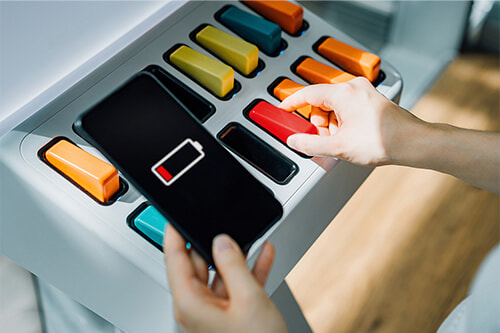
Charging efficiency is a key performance metric for e-motorcycle batteries, referring to the ratio of electrical energy stored in the battery to the electrical energy consumed from the power source during charging. It is influenced by multiple factors, including battery chemistry, charging technology, temperature, and charging current, with most modern e-motorcycle batteries achieving a charging efficiency of 85% to 95% under optimal conditions. Maximizing charging efficiency not only reduces energy waste but also shortens charging time, enhances battery lifespan, and improves the overall user experience—critical for the widespread adoption of e-motorcycles.
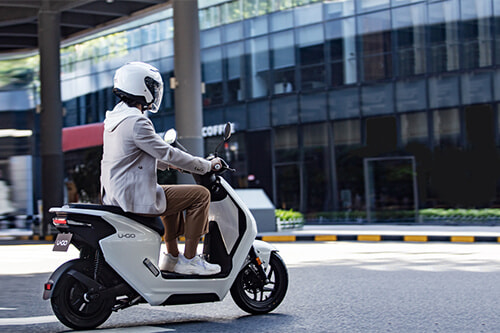
Battery chemistry plays a foundational role in charging efficiency: lithium-ion (Li-ion) batteries, the most common type in e-motorcycles, offer higher charging efficiency than lead-acid batteries, thanks to their lower internal resistance and more efficient energy conversion. Lithium-iron-phosphate (LiFePO4) batteries, a variant of Li-ion batteries, further improve efficiency with better thermal stability, reducing energy loss due to heat generation during charging. Charging technology also significantly impacts efficiency: fast charging protocols (such as QC and PD) optimize voltage and current delivery to minimize energy waste, while pulse charging technology reduces heat buildup and improves charge acceptance—key for maintaining high efficiency during rapid charging. Many high-end e-motorcycles, such as those from Xiaomi, feature advanced systems with optimized circuit designs and efficient charging modules, enabling faster charging without sacrificing efficiency.
Temperature is another critical factor affecting charging efficiency: lithium-ion batteries maintain optimal efficiency between 15°C and 35°C, with efficiency dropping significantly below 10°C or above 40°C. Low temperatures slow down lithium-ion migration, increasing internal resistance and energy loss, while high temperatures cause excessive heat generation, wasting energy and damaging battery cells. To mitigate this, modern e-motorcycles are equipped with intelligent charging management systems that monitor battery temperature in real time, adjusting charging current and voltage to maintain optimal conditions. For example, some systems preheat the battery before fast charging to improve efficiency, while others reduce charging power in high-temperature environments to prevent overheating. Additionally, regenerative braking systems contribute to overall energy efficiency by capturing kinetic energy during deceleration and converting it into electrical energy to charge the battery, with recovery efficiency ranging from 12% (highway riding) to 30% (mountain descent), further optimizing the vehicle’s energy usage.
Be the first to receive our latest news, how-to user guides,
and exclusive deals! Subscribe now.

 Headquarter Address:10F, Building 25, N0. 179 Fengguan, Dongshen Road, Dongguan, Guangdong
 Factory Address:Building 3, Area D, Shengyang Science and Technology Industrial Park, East District of Suichuan County Industrial Park, Ji'an, Jiangxi
 Headquarter Telephone No.:+86 769 2366 8529
Factory Telephone No.:+86 796 6111618
 Contact Person:Kevin Chen
 Email Address:chen@xpower-world.com