Global layout
 +86 769 2366 8529




Time:2026-03-25 Views:96

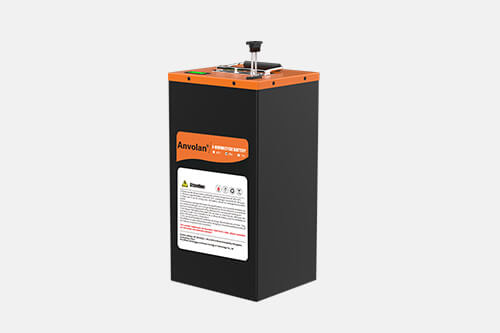
Citycoco electric scooters use a range of standard voltage configurations, with 60V being the most common across mainstream models, while high-performance variants feature 72V or 90V systems to support more powerful motors. The nominal voltage defines the battery’s core electrical output, directly matching the scooter’s motor and controller requirements. For 60V systems—the standard for 1000W, 1500W, and 2000W Citycoco models—the nominal voltage is 60V (or 60.8V for LiFePO4 packs), with a maximum charging voltage of 67.2V to ensure full and safe charging. These 60V batteries are available in capacities from 12Ah to 30Ah, with 20Ah being the most prevalent, delivering 1.2kWh of energy and a typical range of 40–45km per charge. Some upgraded LiFePO4 third-party batteries for Citycoco list a nominal voltage of 64V, with a maximum charge voltage of 70V, designed for enhanced stability and longer cycle life.
High-performance Citycoco models equipped with 3000W+ motors use 72V or 90V battery systems to deliver greater power and speed. A 72V Citycoco battery has a nominal voltage of 72V, with common capacities of 20Ah, 32Ah, or 40Ah, supporting top speeds of 50–70km/h and extended ranges up to 80km. The flagship 90V configuration, found in high-speed Citycoco variants, offers nominal 90V output with capacities up to 100Ah, providing exceptional power for heavy loads and long-distance travel. All Citycoco batteries—whether original or third-party—must match the scooter’s voltage rating precisely; using an incorrect voltage battery can cause irreversible damage to the motor, controller, and electrical system. It is critical to verify the nominal voltage, maximum charge voltage, and compatibility with the scooter’s BMS before purchasing or replacing a battery to ensure safe and optimal operation.
Be the first to receive our latest news, how-to user guides,
and exclusive deals! Subscribe now.

 Headquarter Address:10F, Building 25, N0. 179 Fengguan, Dongshen Road, Dongguan, Guangdong
 Factory Address:Building 3, Area D, Shengyang Science and Technology Industrial Park, East District of Suichuan County Industrial Park, Ji'an, Jiangxi
 Headquarter Telephone No.:+86 769 2366 8529
Factory Telephone No.:+86 796 6111618
 Contact Person:Kevin Chen
 Email Address:chen@xpower-world.com