Global layout
 +86 769 2366 8529




Time:2026-04-28 Views:41

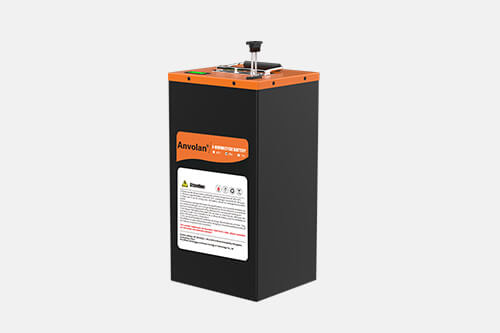
Choosing the right capacity for a golf cart battery is a critical decision that directly impacts the cart’s performance, usability, and overall operational efficiency. The core principle of capacity selection is to match the battery’s ampere-hour (Ah) rating to the specific usage requirements of the golf cart, as well as the environmental and operational conditions it will encounter. Capacity, measured in Ah, represents the amount of electrical charge the battery can store and deliver over time—higher Ah ratings mean longer runtime between charges, but they also come with trade-offs such as increased weight, higher cost, and potential compatibility issues with the cart’s electrical system. Thus, a one-size-fits-all approach is ineffective, and users must consider multiple interrelated factors to make an informed choice.
First and foremost, the primary usage scenario of the golf cart is the most fundamental factor. For standard golf course use—where the cart is used to navigate 18 holes (typically 5-7 miles) with 1-2 passengers, minimal additional load, and relatively flat terrain—a battery capacity between 100Ah and 150Ah (at 48V) is generally sufficient. However, if the cart is used for extended purposes, such as resort transportation, neighborhood commuting, or heavy-duty tasks like carrying tools, equipment, or multiple passengers (3-4 people), a higher capacity (150Ah to 200Ah or more) is necessary to avoid frequent recharging. For example, a 48V 100Ah lithium battery can provide a range of 25-35 miles under standard conditions, while a 48V 200Ah battery can extend that range to 50-70 miles, making it suitable for long-distance or heavy-load applications.
Another key consideration is the cart’s voltage system and motor power. Golf carts typically use 36V, 48V, or 72V systems, and the battery capacity must align with the voltage to ensure compatibility and optimal performance. A higher voltage system (e.g., 72V) paired with a high-capacity battery (100Ah+) can deliver more power, making it ideal for hilly terrain or steep inclines, as these conditions require more energy to maintain speed and performance. Additionally, the battery chemistry influences capacity selection: lithium-ion (LiFePO4) batteries have a higher energy density than traditional lead-acid batteries, meaning a 100Ah LiFePO4 battery can deliver more usable power and longer runtime than a 100Ah lead-acid battery. Lead-acid batteries, while more affordable upfront, have lower energy density and a shorter cycle life, so users may need to choose a higher Ah rating to compensate for these limitations. Environmental factors, such as temperature, also play a role—cold weather can reduce battery efficiency by 15-30%, so users in colder climates may need to select a slightly higher capacity to maintain adequate runtime during winter months. Finally, budget and long-term cost should be considered: higher-capacity batteries have a higher initial cost, but they reduce the frequency of recharging and may have a longer lifespan, leading to lower overall maintenance costs over time.
Be the first to receive our latest news, how-to user guides,
and exclusive deals! Subscribe now.

 Headquarter Address:10F, Building 25, N0. 179 Fengguan, Dongshen Road, Dongguan, Guangdong
 Factory Address:Building 3, Area D, Shengyang Science and Technology Industrial Park, East District of Suichuan County Industrial Park, Ji'an, Jiangxi
 Headquarter Telephone No.:+86 769 2366 8529
Factory Telephone No.:+86 796 6111618
 Contact Person:Kevin Chen
 Email Address:chen@xpower-world.com