Global layout
 +86 769 2366 8529




Time:2026-05-15 Views:97

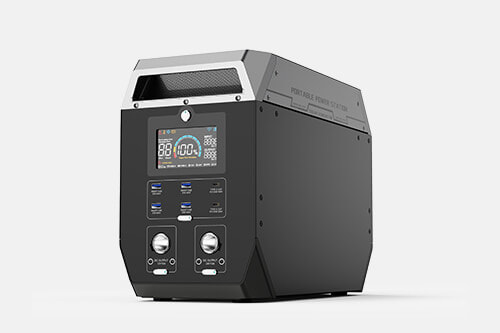
The short circuit protection function is a core safety safeguard integrated into all modern portable power stations, designed to prevent catastrophic damage to the device, connected appliances, and even potential fire hazards caused by short circuits. A short circuit occurs when an unintended low-resistance path is formed between the positive and negative terminals of the power station’s battery, leading to an abrupt surge of current that far exceeds the system’s safe operating limits. Without effective protection, this uncontrolled current can melt internal wires, damage critical components like the inverter and battery management system (BMS), and in extreme cases, trigger thermal runaway—especially in lithium-ion battery systems—which may result in battery swelling, fire, or explosion. Recognizing this risk, manufacturers prioritize short circuit protection as a non-negotiable feature, embedding multiple layers of defense to ensure rapid and reliable response.
The working principle of short circuit protection relies on a combination of hardware components and intelligent BMS control, operating in milliseconds to mitigate risks before they escalate. Most portable power stations use a dedicated short circuit protection module, which includes high-speed fuses, circuit breakers, or solid-state switches that monitor current flow in real time. When a short circuit is detected—indicated by an instantaneous spike in current beyond a preset threshold—the protection module triggers an immediate shutdown of the power supply, cutting off the current flow to the faulty circuit. This response is typically completed within 1 to 5 milliseconds, a speed fast enough to prevent any significant damage to the power station’s internal components or connected devices. Additionally, the BMS continuously communicates with the protection module, providing real-time data on current, voltage, and battery status to ensure accurate and timely detection of short circuit events, even in complex usage scenarios.
In practical applications, short circuit protection proves its value in various scenarios, from everyday use to emergency situations. For example, if a user accidentally uses a damaged charging cable with exposed wires, or if a foreign object (such as a metal tool) falls into the power station’s output ports and bridges the positive and negative terminals, the short circuit protection function will activate instantly, shutting down the power supply to avoid danger. High-quality portable power stations, such as those equipped with LiFePO4 batteries, often feature enhanced short circuit protection that not only shuts down the power but also provides visual or auditory alerts (such as a flashing indicator light or beep) to notify the user of the issue. After the short circuit is resolved—such as replacing the damaged cable or removing the foreign object—the user can usually reset the power station by turning it off and on again, restoring normal operation. This combination of rapid response, clear alerts, and easy reset ensures that short circuit protection is both effective and user-friendly, making portable power stations safe for home, outdoor, and emergency use.
Furthermore, industry standards and certifications play a crucial role in ensuring the reliability of short circuit protection. Reputable portable power stations undergo rigorous testing, including UN 38.3, UL 1642, and CE certifications, which verify that their short circuit protection systems meet global safety standards. These tests simulate various short circuit scenarios, including internal battery short circuits and external output short circuits, to ensure that the protection mechanism activates consistently and effectively. For users, choosing a certified portable power station is a key step in ensuring that the short circuit protection function works as intended, providing peace of mind whether the device is used to power small electronics during camping trips or critical medical equipment during power outages.
Be the first to receive our latest news, how-to user guides,
and exclusive deals! Subscribe now.

 Headquarter Address:10F, Building 25, N0. 179 Fengguan, Dongshen Road, Dongguan, Guangdong
 Factory Address:Building 3, Area D, Shengyang Science and Technology Industrial Park, East District of Suichuan County Industrial Park, Ji'an, Jiangxi
 Headquarter Telephone No.:+86 769 2366 8529
Factory Telephone No.:+86 796 6111618
 Contact Person:Kevin Chen
 Email Address:chen@xpower-world.com