Global layout
 +86 769 2366 8529




Time:2026-10-16 Views:183

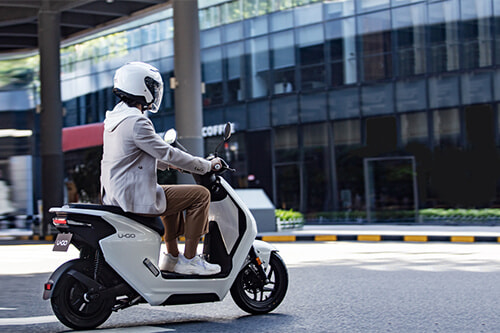
Lithium batteries and lead-acid batteries are the two mainstream power sources for electric motorcycles, with huge differences in performance, service life, safety, and cost. Lead-acid batteries dominate the low-end electric motorcycle market due to their low price and mature technology, while lithium batteries have become the mainstream choice for mid-to-high-end models relying on their high energy density, light weight, and long cycle life. Judging which battery is better needs to be comprehensively evaluated in combination with user budget, riding frequency, usage scenarios, and maintenance needs, without a single absolute answer.
Lithium batteries have comprehensive performance advantages in cruising range, weight, and service life. Lithium batteries have 3 times the energy density of lead-acid batteries, meaning the same volume and weight can provide longer cruising range. A 72V50Ah lithium battery weighs only 20kg, while an equivalent-capacity lead-acid battery weighs more than 55kg. The light weight reduces the motorcycle’s body load, improves handling flexibility, and saves power consumption. In terms of service life, lithium batteries support 1500–2500 charge-discharge cycles, with a usable life of 3–5 years, while lead-acid batteries only have 300–500 cycles and need replacement within 1–2 years of high-frequency use.
Lead-acid batteries have unique advantages in cost and safety tolerance. The purchase and replacement cost of lead-acid batteries is only 1/3 of lithium batteries, with extremely low daily maintenance costs, making them very suitable for low-frequency casual users and budget-limited users. In terms of safety, lead-acid batteries have stable chemical properties, no risk of explosion or spontaneous combustion even in case of collision, extrusion, or slight damage, and have strong fault tolerance. In contrast, inferior lithium batteries may have thermal runaway risks under severe impact or improper charging, requiring higher usage and maintenance standards.
In terms of daily use and maintenance, lithium batteries are more convenient. Lithium batteries support deep discharge and fast charging, with low self-discharge rate, and can be stored for 1–2 months without power loss. Lead-acid batteries have a high self-discharge rate; long-term idle storage will cause battery vulcanization and permanent capacity loss, requiring regular supplementary charging. In addition, lithium batteries support disassembly and portable charging, while most lead-acid batteries are built-in and cannot be moved. Overall, lithium batteries are better for long-term, high-frequency use, while lead-acid batteries are more cost-effective for short-term, low-frequency use.
Be the first to receive our latest news, how-to user guides,
and exclusive deals! Subscribe now.

 Headquarter Address:10F, Building 25, N0. 179 Fengguan, Dongshen Road, Dongguan, Guangdong
 Factory Address:Building 3, Area D, Shengyang Science and Technology Industrial Park, East District of Suichuan County Industrial Park, Ji'an, Jiangxi
 Headquarter Telephone No.:+86 769 2366 8529
Factory Telephone No.:+86 796 6111618
 Contact Person:Kevin Chen
 Email Address:chen@xpower-world.com