Global layout
 +86 769 2366 8529




Time:2026-09-04 Views:80
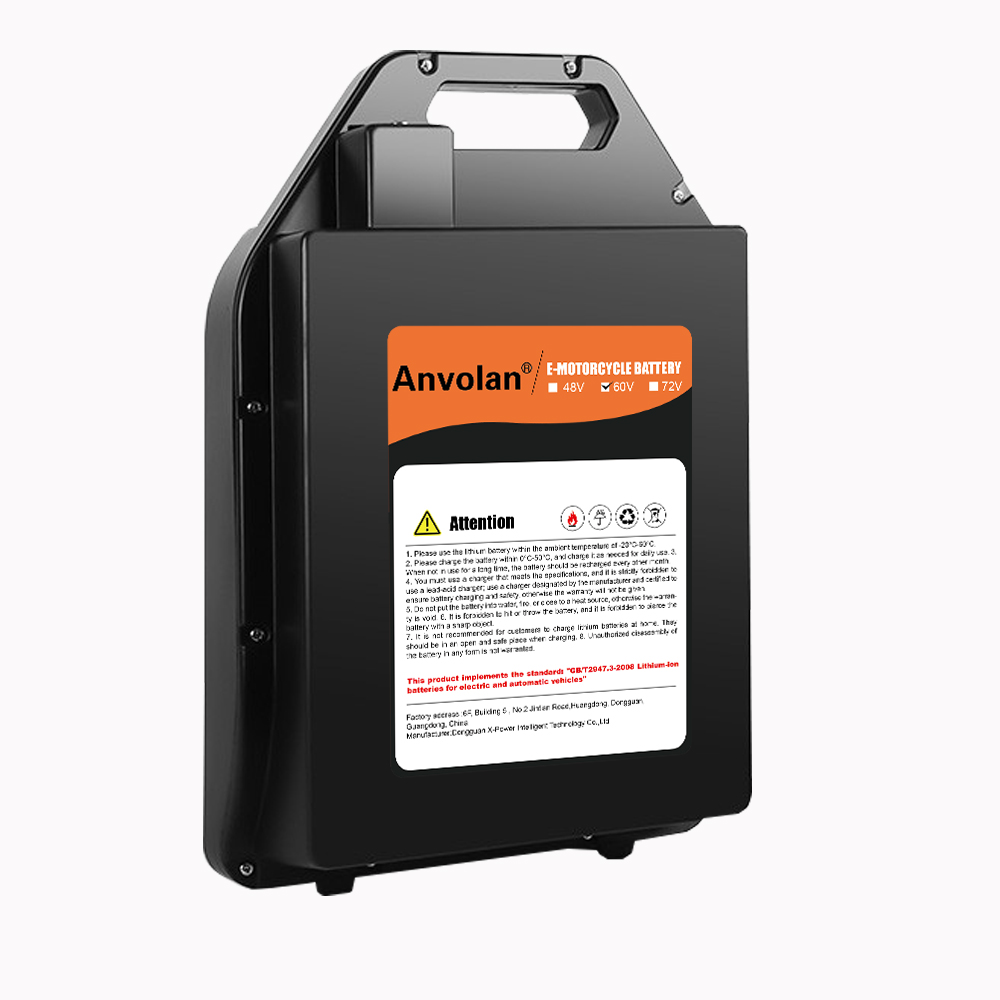
Choosing the correct battery capacity is one of the most critical decisions for Citycoco electric scooter owners, as it directly determines daily usability, travel range, charging frequency, and long-term cost efficiency. Citycoco scooters are widely equipped with 12Ah, 20Ah, and higher-capacity lithium battery options, and there is no universal “best” capacity—only the most suitable one matching personal riding habits, daily mileage, road conditions, and budget. Many users blindly pursue large-capacity batteries without considering actual demand, resulting in unnecessary cost waste and increased vehicle weight, while others choose low-capacity batteries that fail to meet daily commuting needs, leading to frequent charging troubles.
First, judge according to daily riding mileage. For users who only ride within 10 kilometers a day, such as short-distance grocery shopping, neighborhood travel, and campus commuting, a 12Ah battery is completely sufficient. This capacity features light weight, low cost, fast charging speed, and does not cause excessive load on the scooter motor and frame. For daily commuting mileage between 15 and 30 kilometers, including urban cross-district commuting and suburban travel, a 20Ah battery is the most cost-effective choice. It avoids the range anxiety of small-capacity batteries and does not have the excessive weight and high price of ultra-large-capacity batteries. For long-distance travel users with daily mileage over 35 kilometers or frequent outdoor cross-country riding, higher-capacity batteries above 25Ah are recommended to ensure stable endurance.
Second, road conditions and load weight are key influencing factors. Flat urban roads consume less battery power, while mountain roads, slope sections, and bumpy rural roads significantly increase power consumption. Similarly, carrying heavy goods or double riding will reduce the actual range by 20% to 30%. If you often ride under high-consumption road and load conditions, it is necessary to appropriately upgrade the battery capacity. In addition, seasonal factors cannot be ignored. Low temperature in winter will reduce lithium battery activity and actual capacity by 30% to 40%. Users in cold northern areas should prefer larger-capacity batteries to reserve sufficient endurance margin.
Finally, comprehensively consider cost and portability. Small-capacity batteries are low in price and easy to carry and disassemble for charging, which is very friendly for users living in high-rise buildings without ground charging conditions. Large-capacity batteries have higher purchase costs, heavier weight, and longer charging time, but they have longer service life per cycle and lower long-term replacement costs. Reasonable capacity selection can balance daily use experience and economic benefits, avoiding the two extremes of insufficient endurance and performance surplus.
Be the first to receive our latest news, how-to user guides,
and exclusive deals! Subscribe now.

 Headquarter Address:10F, Building 25, N0. 179 Fengguan, Dongshen Road, Dongguan, Guangdong
 Factory Address:Building 3, Area D, Shengyang Science and Technology Industrial Park, East District of Suichuan County Industrial Park, Ji'an, Jiangxi
 Headquarter Telephone No.:+86 769 2366 8529
Factory Telephone No.:+86 796 6111618
 Contact Person:Kevin Chen
 Email Address:chen@xpower-world.com