Global layout
 +86 769 2366 8529




Time:2026-10-17 Views:106
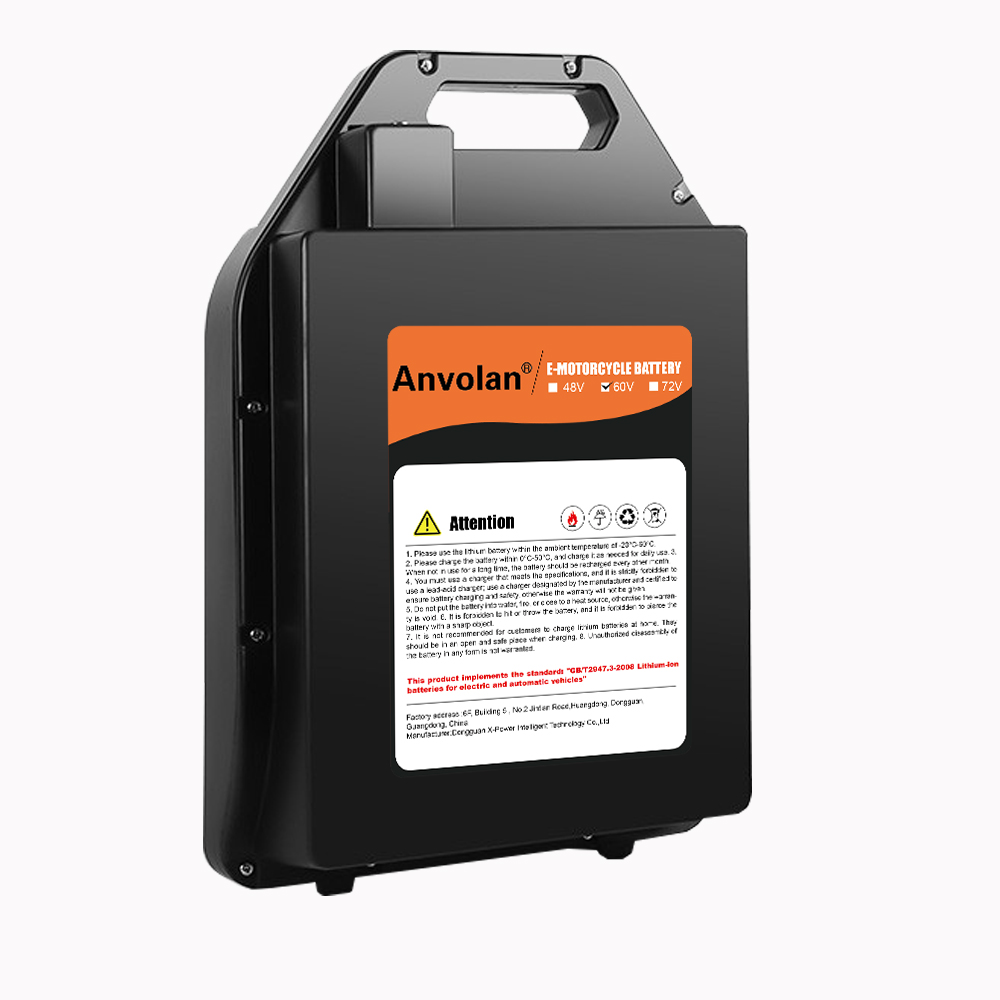
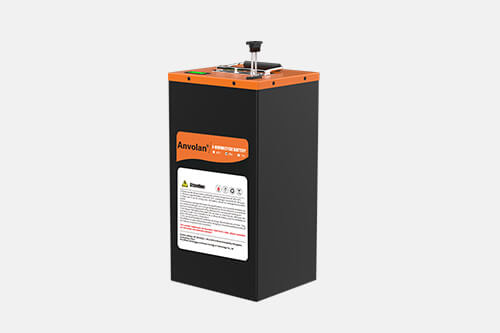
Checking the health status of a Citycoco battery can accurately judge its residual capacity, aging degree and potential faults, helping users timely maintain or replace the battery to avoid sudden power failure during riding. The simplest daily inspection method is visual and sensory detection, suitable for regular self-checks by ordinary users. First, observe the battery appearance: check for bulging shell, cracked deformation, leakage of electrolyte and rusty or oxidized wiring interfaces, which are typical signs of battery aging and damage. Second, judge the battery performance through daily riding experience: if the battery shows obvious power drop, rapid power loss in a short time, or the actual range is less than 60% of the original level after full charging, it indicates that the battery health has declined significantly.
Professional voltage detection is the most accurate way to judge battery health, which can be completed with a multimeter. First, fully charge the Citycoco battery and let it stand for 30 minutes to stabilize the voltage, then use a multimeter to measure the no-load voltage of the battery. For a normal 60V battery, the full-charge static voltage should be between 67V-68V, and 72V battery between 80V-82V. If the static voltage is significantly lower than the standard value, it means the battery cell is aging and the capacity is insufficient. Then measure the load voltage during riding: turn on the vehicle and accelerate to medium speed, if the voltage drops sharply by more than 5V instantly, the battery has poor discharge performance and serious internal aging, with poor health status.
In addition, users can judge battery health through charging status and cycle records. A healthy battery has a stable charging speed, with the charger light turning red first and then slowly turning green after full charging. If the charger turns green quickly in a few minutes, or the charging time is far shorter than the normal 5-6 hours, the battery capacity has been severely attenuated. Combined with the service life, if the battery has been used for more than 4 years or exceeds 1200 charge-discharge cycles, its health value is basically exhausted, and the battery needs to be replaced in time to ensure riding safety and power performance.
Be the first to receive our latest news, how-to user guides,
and exclusive deals! Subscribe now.

 Headquarter Address:10F, Building 25, N0. 179 Fengguan, Dongshen Road, Dongguan, Guangdong
 Factory Address:Building 3, Area D, Shengyang Science and Technology Industrial Park, East District of Suichuan County Industrial Park, Ji'an, Jiangxi
 Headquarter Telephone No.:+86 769 2366 8529
Factory Telephone No.:+86 796 6111618
 Contact Person:Kevin Chen
 Email Address:chen@xpower-world.com