Global layout
 +86 769 2366 8529




Time:2026-09-08 Views:119
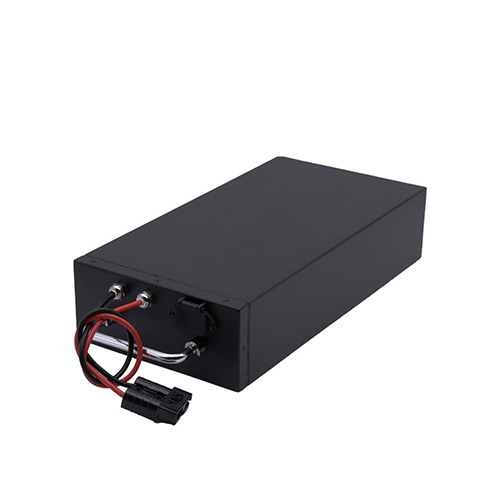
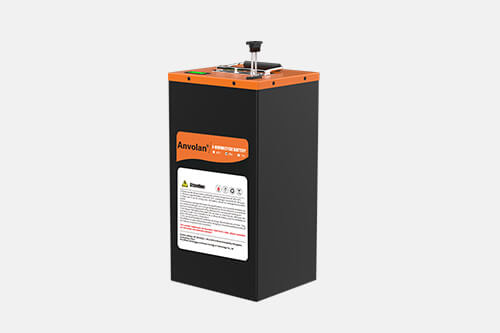
Many Citycoco scooter owners fall victim to false battery capacity labeling, as many third-party batteries are marked with exaggerated rated capacity that cannot match actual performance in real-world riding conditions. The nominal capacity printed on the battery shell is often tested under ideal laboratory environments, while the real usable capacity decays with charging cycles, temperature changes, and continuous high-current discharge during daily commutes. Learning to check the real battery capacity is essential to avoid wasting money on inferior batteries, accurately judge battery health, and predict actual riding range for Citycoco scooters. Unlike simple voltage checks that only reflect residual power, professional capacity testing calculates the actual energy storage volume of the battery core, which is the only credible standard to evaluate battery quality and service life.
The most reliable and user-friendly method for ordinary users is the constant-current full discharge test, which requires basic tools including a professional lithium battery capacity tester and a digital multimeter. Before testing, place the Citycoco battery in a stable indoor environment with a temperature of 20°C to 25°C, as extreme high or low temperatures will cause 10% to 20% deviation in test results. Fully charge the battery according to the standard charging procedure: complete constant-current charging first, then switch to constant-voltage floating charging until the charging current drops below 0.05C, then let the battery stand for 30 minutes to stabilize the internal cell voltage. This step eliminates the floating voltage error and ensures the battery is in a true full-charge state before testing.
Start the formal discharge test by setting the tester’s discharge parameters according to the battery specifications. For conventional Citycoco lithium batteries, set a low discharge rate of 0.2C to 0.5C, which simulates daily stable riding conditions and avoids capacity attenuation caused by high-current instantaneous discharge. Set the cell cutoff voltage to 75V to 0V for ternary lithium batteries, which conforms to the official safety discharge standard to prevent over-discharge damage to the battery core. Keep the discharge current stable throughout the process until the tester automatically stops when reaching the cutoff voltage. Record the total discharge capacity displayed on the device, which is the real usable capacity of the Citycoco battery.
After obtaining the test data, calculate the battery State of Health (SoH) by dividing the tested real capacity by the factory-rated capacity and multiplying by 100%. A healthy new battery should have an SoH above 95%; if the value is between 80% and 95%, the battery has slight attenuation and can be used normally; an SoH below 80% means severe aging with significantly reduced range, requiring replacement. In addition, users can assist in judgment through actual riding verification: a qualified 20Ah Citycoco battery can continuously ride 60 to 70 kilometers at a constant speed, while a shoddy battery with inflated capacity will run out of power rapidly after short-distance riding. Regular capacity testing every 3 months can effectively monitor battery aging status and extend the overall service life of Citycoco batteries.
Be the first to receive our latest news, how-to user guides,
and exclusive deals! Subscribe now.

 Headquarter Address:10F, Building 25, N0. 179 Fengguan, Dongshen Road, Dongguan, Guangdong
 Factory Address:Building 3, Area D, Shengyang Science and Technology Industrial Park, East District of Suichuan County Industrial Park, Ji'an, Jiangxi
 Headquarter Telephone No.:+86 769 2366 8529
Factory Telephone No.:+86 796 6111618
 Contact Person:Kevin Chen
 Email Address:chen@xpower-world.com