Global layout

 +86 769 2366 8529





Time:2026-11-27 Views:154
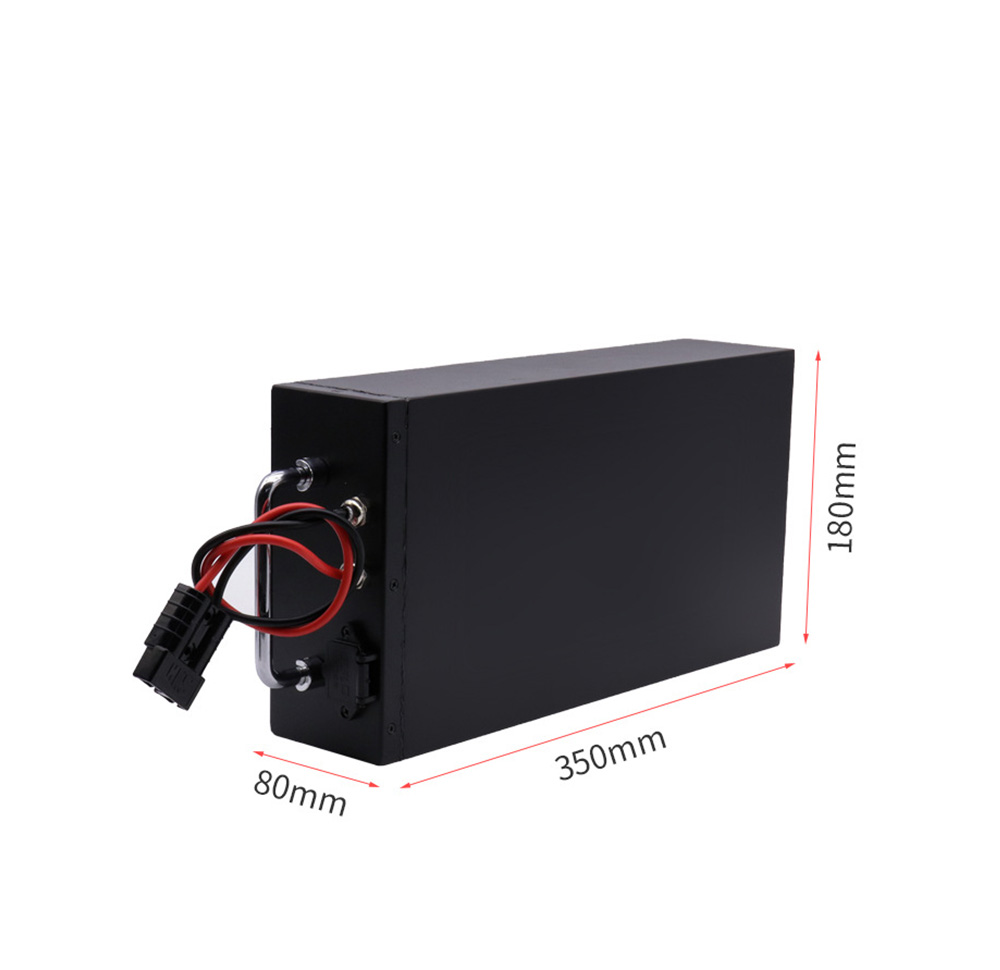
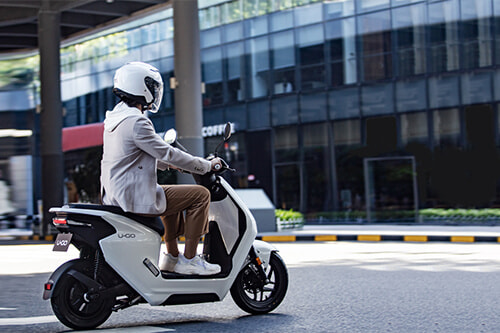
The Battery Management System (BMS) is the core control unit of Citycoco electric scooter batteries, responsible for monitoring cell voltage, current, temperature, and protecting the battery from overcharging, over-discharging, short circuits, and overheating. After long-term use, frequent deep discharges, or exposure to extreme temperatures, the Citycoco BMS may store faulty data, trigger protective locks, or display inaccurate battery levels, leading to issues like sudden power cuts, failed charging, and reduced riding range. A professional BMS reset can clear internal error codes, recalibrate sensor data, and restore the battery’s normal operating state, which is a necessary routine maintenance step for keeping Citycoco scooters in optimal condition. Unlike ordinary battery charging and discharging, BMS reset targets the system’s control program rather than the battery cells themselves, effectively solving most minor battery system failures without replacing parts.
Before performing a Citycoco battery BMS reset, strict safety preparation is essential to avoid equipment damage or safety hazards. First, turn off the scooter completely, remove the key, and park the vehicle in a dry, ventilated, and cool environment, away from flammable items. Stop all charging or riding operations and let the battery cool down to room temperature, as resetting a high-temperature battery may cause program confusion or component burnout. Next, disconnect the battery’s main power connector, following the standard procedure of disconnecting the negative terminal first and then the positive terminal to prevent short circuits from current backflow. Clean the battery connectors with a dry cloth to remove dust, oxidation, and moisture, ensuring stable circuit contact after reconnection. For Citycoco batteries equipped with a recessed physical reset button near the charging port, prepare a small needle or thin tool to trigger the reset function accurately.
The standard BMS reset process for Citycoco batteries includes two mainstream methods: physical hard reset and charge-discharge calibration reset. The hard reset is suitable for most locked battery systems. After disconnecting the battery for 20 to 30 minutes to fully dissipate residual current in the BMS capacitors, press and hold the battery reset button for 10 to 20 seconds, then release it and reconnect the positive and negative terminals in reverse order of disconnection. For models without a physical reset button, use the calibration reset method: fully charge the battery without interruption, ride the scooter normally until the battery is nearly exhausted and the BMS triggers low-power protection, then park the vehicle for 1 to 2 hours to stabilize cell voltage, and charge it to 100% again. Repeating this full charge-discharge cycle 2 to 3 times can completely recalibrate the BMS data.
After completing the BMS reset, comprehensive testing is required to verify the repair effect. Turn on the scooter and check the battery display, observing whether the power level changes smoothly and accurately without sudden jumps or blank screens. Test the charging function to confirm the charger works normally and the battery can be fully charged without automatic power-off halfway. Conduct a short test ride to check for sudden power loss, jittery power output, or limited speed during acceleration. If the fault persists after three reset attempts, the problem may lie in damaged battery cells or BMS circuit failure, requiring professional detection. Regular BMS reset every 2 to 3 months can effectively maintain battery calibration accuracy, extend the overall battery service life, and ensure stable and safe operation of Citycoco scooters in daily commuting.
Be the first to receive our latest news, how-to user guides,
and exclusive deals! Subscribe now.

 Headquarter Address:10F, Building 25, N0. 179 Fengguan, Dongshen Road, Dongguan, Guangdong
 Factory Address:Building 3, Area D, Shengyang Science and Technology Industrial Park, East District of Suichuan County Industrial Park, Ji'an, Jiangxi
 Headquarter Telephone No.:+86 769 2366 8529
Factory Telephone No.:+86 796 6111618
 Contact Person:Kevin Chen
 Email Address:chen@xpower-world.com